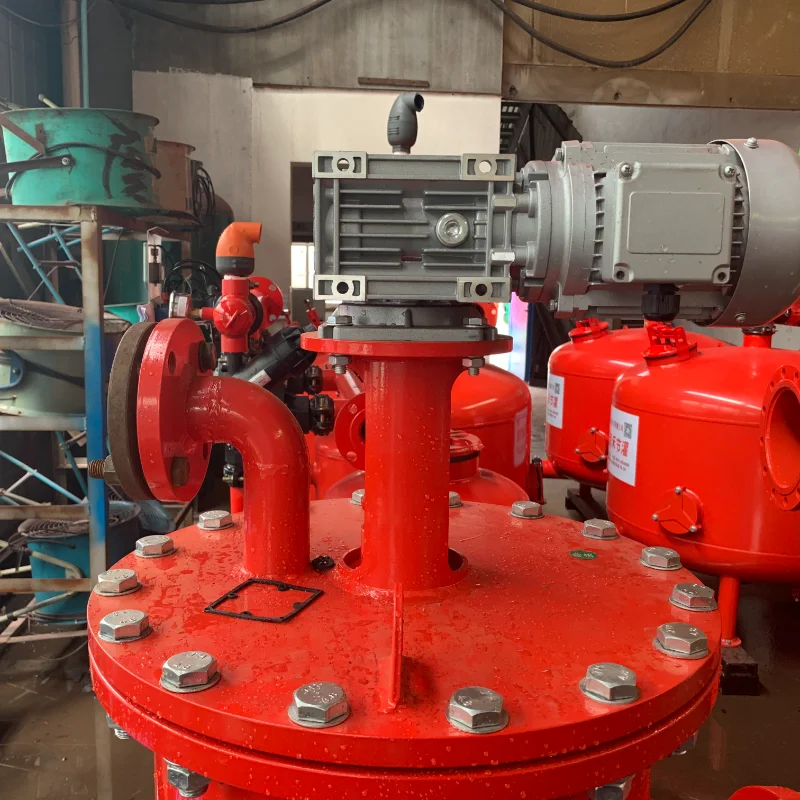


Top 5 Benefits of Using an Automatic Self-cleaning Filter System
Release time: 2026-08-28
In today’s fast-paced industrial landscape, efficiency, consistency, and resource management are paramount. Whether you are managing a municipal water treatment facility, an agricultural irrigation network, or a complex manufacturing plant, the quality of your water and process fluids directly impacts your bottom line. Traditional filtration methods often require manual intervention, leading to costly downtime and increased labor expenses. This is where modern technology steps in. The advent of the automatic self-cleaning filter has revolutionized fluid management by providing a continuous, reliable solution that minimizes human oversight while maximizing operational efficiency. In this article, we will explore the top five benefits of integrating this advanced technology into your operations and how it can transform your fluid handling processes.
1. Uninterrupted Continuous Operation
The most significant advantage of an automatic self-cleaning filter is its ability to operate continuously without requiring system shutdowns for maintenance. In traditional systems, when a filter element becomes clogged with debris, the entire process must be paused so an operator can manually clean or replace the cartridge or bag. This downtime can cause major disruptions, especially in continuous manufacturing processes or critical cooling systems.
Self-cleaning systems utilize intelligent mechanisms—such as pressure differential sensors or timed intervals—to detect when cleaning is necessary. Depending on the design, the system might employ a backwashing cycle, a mechanical scraper, or suction-scanning technology to remove the accumulated solids. Because this cleaning process occurs while the main fluid stream continues to flow, your operation never misses a beat. This continuous filtration is essential for maximizing productivity and ensuring a steady flow of purified fluids, making it a critical upgrade for any high-demand environment.
2. Drastic Reduction in Maintenance and Labor Costs
Manual filtration systems are inherently labor-intensive. Operators must regularly monitor pressure gauges, shut down the system, open housings, replace or clean the filter media, and properly dispose of the contaminated elements. This not only consumes valuable labor hours but also exposes workers to potentially hazardous chemicals or high-temperature fluids.
By upgrading to a self-cleaning water filter, you effectively automate the most tedious aspect of fluid management. The system cleans itself automatically, drastically reducing the need for manual intervention. This allows your maintenance team to focus their expertise on more critical tasks, such as predictive maintenance and system optimization, rather than routine filter changes. Over time, the reduction in labor costs, combined with the elimination of consumable filter replacements (like disposable bags or cartridges), results in a substantial return on investment.
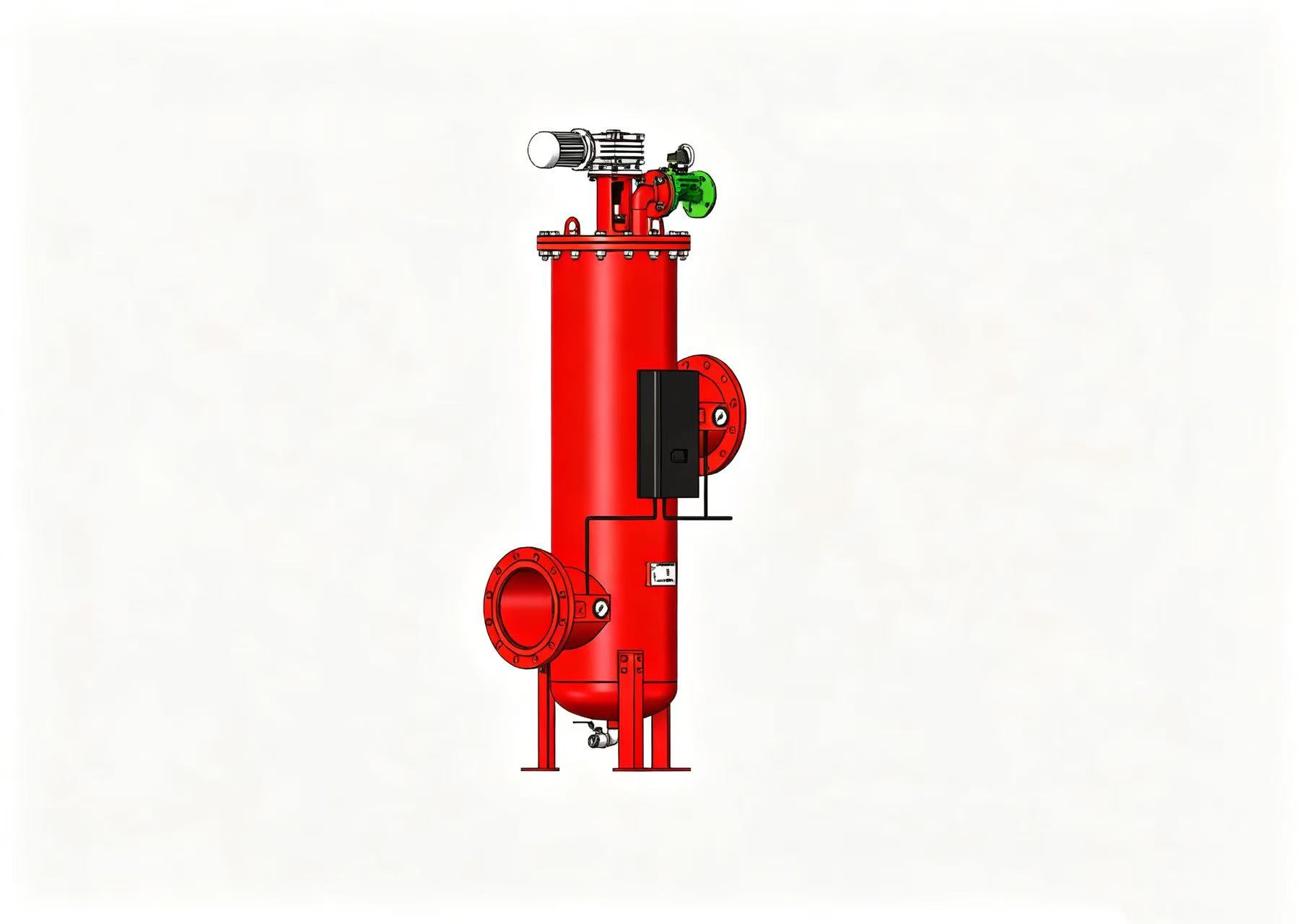
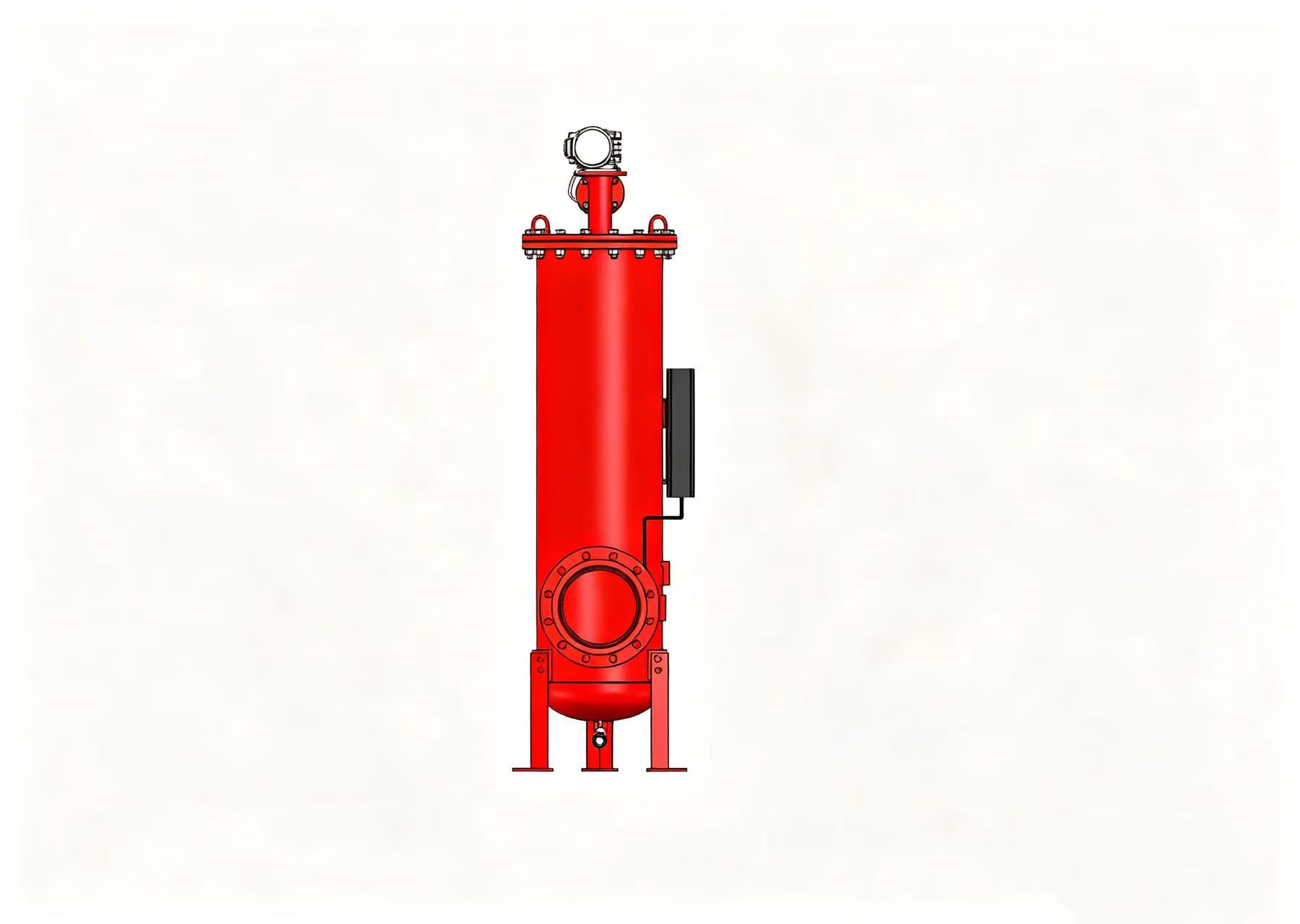
3. Enhanced Protection for Downstream Equipment
Industrial equipment such as pumps, valves, heat exchangers, and sensitive reverse osmosis (RO) membranes represent a massive capital investment. When untreated or poorly filtered water enters these components, suspended solids, sediment, and abrasive particles can cause severe damage. This leads to issues like fouling, scaling, scoring along shafts, and accelerated corrosion.
An industrial water filtration system equipped with self-cleaning technology acts as a robust first line of defense. By consistently removing particulate matter before it can reach downstream machinery, these filters prevent the buildup of damaging materials. For instance, in cooling tower applications, removing debris prevents the clogging of nozzles and the fouling of heat exchangers, thereby maintaining optimal thermal efficiency. Ultimately, protecting your equipment from premature wear extends its operational lifespan and significantly reduces the frequency and cost of unexpected repairs.
4. Improved Resource Efficiency and Sustainability
As industries face stricter environmental regulations and growing pressure to adopt sustainable practices, efficient water management is more important than ever. Traditional manual filters generate a significant amount of solid waste in the form of discarded filter bags and cartridges. Furthermore, some older filtration methods waste large volumes of water during backwashing cycles.
A modern self-cleaning water filter is designed with sustainability in mind. Advanced designs, such as suction-scanning or mechanical scraping, utilize a fraction of the water for the purge cycle compared to traditional backwashing methods. Additionally, by eliminating the need for disposable filter media, these systems drastically reduce the amount of solid waste sent to landfills. Furthermore, the ability to effectively filter high-solids water allows facilities to recycle and reuse process water or effluent, decreasing their reliance on fresh water sources and lowering overall environmental impact.
5. Consistent and Reliable Fluid Quality
In industries such as food and beverage, pharmaceuticals, and specialty chemical manufacturing, fluid purity is not just an operational goal; it is a strict regulatory requirement. Fluctuations in water quality can lead to ruined batches, compromised product safety, and damage to a brand’s reputation.
Traditional filters can experience a drop in efficiency as they become loaded with contaminants, leading to inconsistent flow rates and varying pressure drops. An industrial water filtration system with automatic cleaning ensures that the filter media remains clean and operates at peak efficiency at all times. By automatically purging debris the moment a pressure differential is detected, the system maintains a stable, consistent flow of high-quality, perfectly filtered fluid. This reliability guarantees that your end products consistently meet rigorous quality standards.
Summary of Key Benefits
To quickly compare how automated systems outshine traditional methods, review the table below:
| Feature/Benefit | Traditional Manual Filter | Automatic Self-Cleaning Filter |
|---|---|---|
| Operational Uptime | Requires frequent shutdowns for cleaning. | Continuous operation; cleans while online. |
| Maintenance Labor | High; requires manual monitoring and replacement. | Very low; automated cleaning cycles. |
| Consumable Costs | High; requires constant purchase of bags/cartridges. | Zero; utilizes permanent filter elements. |
| Equipment Protection | Variable; pressure drops as the filter clogs. | Excellent; maintains consistent pressure and flow. |
| Environmental Impact | Generates solid waste (disposable media). | Eco-friendly; minimizes water waste and eliminates media disposal. |
Conclusion
Investing in advanced filtration technology is a strategic decision that pays dividends across multiple facets of an operation. By eliminating costly downtime, reducing labor and consumable expenses, protecting expensive downstream machinery, and promoting environmental sustainability, self-cleaning systems offer a comprehensive solution to modern fluid management challenges. Whether you are upgrading an existing facility or designing a new process line, the long-term operational and financial benefits make this technology an indispensable asset.
Frequently Asked Questions (FAQs)
1. How does the system know when it is time to clean itself?
Most automatic systems utilize a differential pressure switch. As debris builds up on the filter screen, the pressure at the outlet drops compared to the inlet. When this pressure difference reaches a predetermined set point (usually around 0.5 to 1 bar), the control system automatically triggers the cleaning cycle. Many systems also include a timer-based override as a fail-safe.
2. Does the cleaning cycle interrupt the flow of water to my equipment?
No, and this is one of the primary benefits. The systems are designed so that the main flow of filtered fluid continues uninterrupted during the brief cleaning cycle (which typically lasts only a few seconds).
3. What type of maintenance does an automatic system require?
While they are highly automated and require drastically less maintenance than manual filters, they are not entirely “set-it-and-forget-it.” Routine maintenance generally involves periodically checking the control panel, inspecting the seals and drain valves for leaks, and performing an annual inspection of the internal filter screen and cleaning mechanism (like brushes or scrapers) to ensure they are not damaged or worn out.