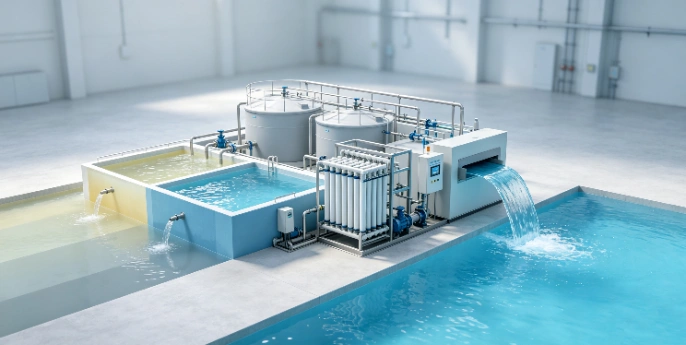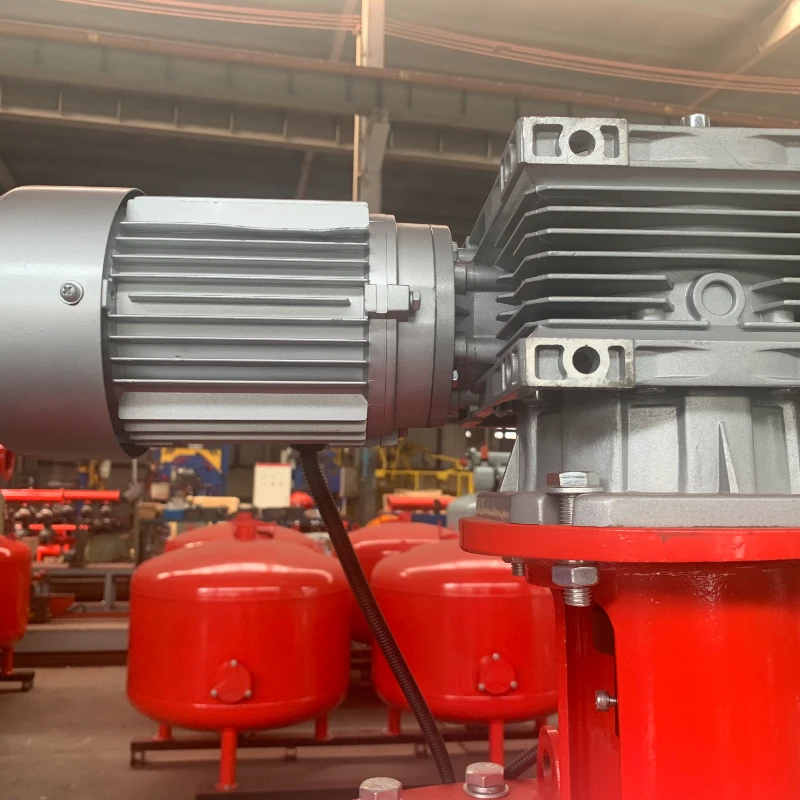


The Future of Water: Trends in Industrial Water Treatment Systems
Release time: 2026-07-14
Water is the lifeblood of global industry, powering everything from manufacturing and energy production to agriculture and technology. Yet, as freshwater resources become increasingly scarce and environmental regulations tighten, the industrial sector faces a critical mandate: optimize water use or risk operational and financial instability. This imperative is driving a profound transformation in how businesses approach water management, pushing the boundaries of innovation in industrial water treatment systems.
The traditional linear model of “take, make, dispose” is rapidly being replaced by a circular economy approach, focusing on recovery, recycling, and reuse. This shift isn’t just about regulatory compliance; it’s a strategic necessity for long-term viability. As we look ahead, several key trends are shaping the future of water in the industrial landscape, moving us toward a more sustainable and efficient paradigm.
The Imperative of Sustainable Water Management
The core driver of innovation in this sector is the pressing need for sustainable water management. Industries are no longer just looking to treat wastewater for discharge; they are actively seeking ways to integrate water conservation into their core operations. This involves a holistic view of the water lifecycle within a facility, from intake to final effluent.
Sustainable practices are becoming deeply intertwined with corporate social responsibility (CSR) goals and Environmental, Social, and Governance (ESG) criteria. Investors and consumers alike are increasingly scrutinizing a company’s water footprint. Consequently, adopting advanced industrial water treatment systems is no longer just an operational expense; it’s an investment in brand reputation and risk mitigation.
Key Drivers of Change
Several factors are accelerating the adoption of new technologies:
- Water Scarcity: Regions historically abundant in water are now facing stress, forcing industries to compete with municipalities and agriculture for limited resources.
- Stringent Regulations: Governments worldwide are implementing stricter limits on effluent discharge, particularly concerning emerging contaminants like PFAS (per- and polyfluoroalkyl substances) and heavy metals.
- Rising Costs: The cost of both acquiring fresh water and disposing of wastewater is steadily increasing, making water efficiency a bottom-line priority.
- Technological Advancements: Breakthroughs in materials science, data analytics, and automation are making previously unviable treatment methods cost-effective and scalable.
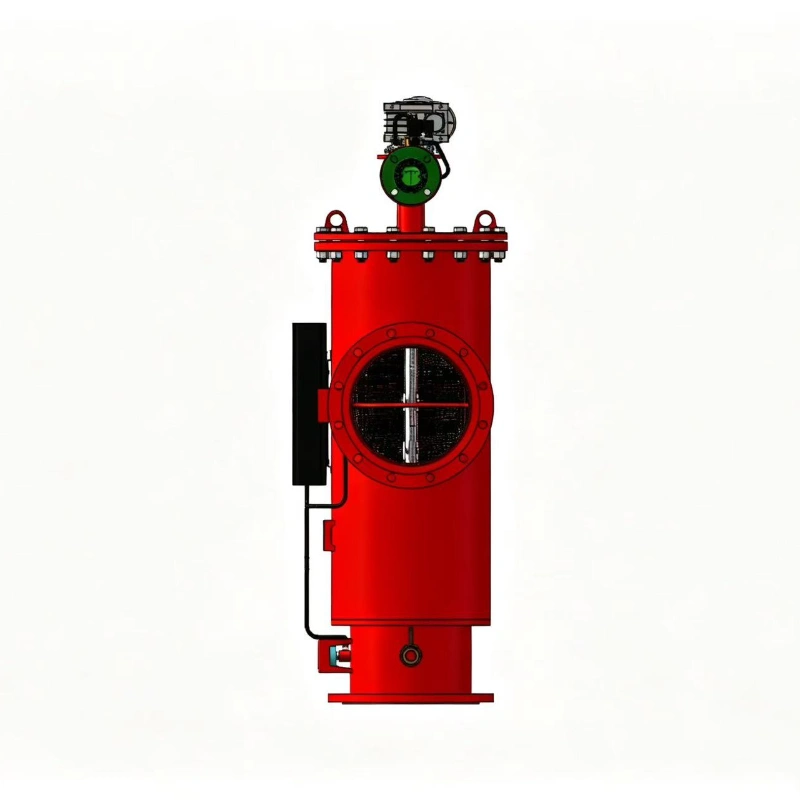
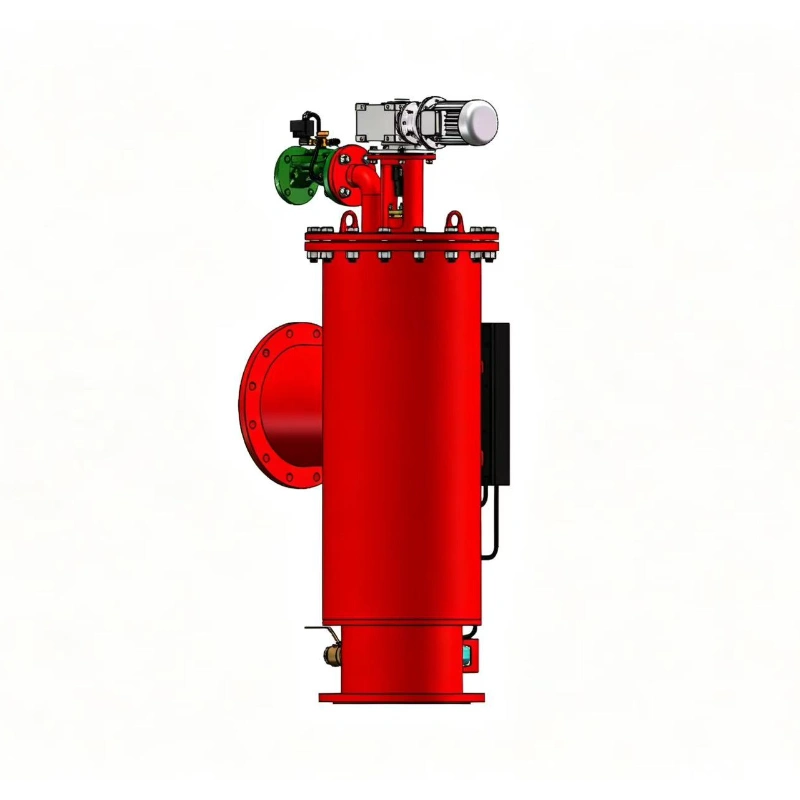
Technological Trends Reshaping Industrial Water Treatment Systems
The future of industrial water relies on a suite of advanced technologies designed to maximize efficiency and minimize environmental impact.
1. Advanced Membrane Technologies
Membrane filtration, including Reverse Osmosis (RO), Ultrafiltration (UF), and Nanofiltration (NF), has long been a staple in water treatment. However, the future lies in next-generation membrane solutions. Innovations are focusing on developing membranes that are more robust, less prone to fouling, and capable of operating at lower pressures, thereby reducing energy consumption.
For instance, the development of biomimetic membranes—inspired by natural cellular processes—promises significantly higher permeability and selectivity. These advancements are crucial for high-purity water generation for semiconductor manufacturing, a sector where even microscopic impurities can ruin a batch of microchips.
2. Zero Liquid Discharge (ZLD) and Minimal Liquid Discharge (MLD)
As regulations tighten and water disposal costs soar, the ultimate goal for many facilities is Zero Liquid Discharge (ZLD). ZLD systems aim to recover all water from a facility’s wastewater, leaving behind only solid waste for disposal. While ZLD is highly effective, it can be capital and energy-intensive.
This has led to the rise of Minimal Liquid Discharge (MLD) strategies. MLD focuses on maximizing water recovery (typically up to 95%) through conventional and advanced methods before resorting to the highly energy-intensive thermal processes required for true ZLD. These approaches are becoming standard in wastewater recovery for heavy industries, such as power generation and mining, where water volumes are massive.
3. The Integration of Artificial Intelligence (AI) and the Internet of Things (IoT)
The digital transformation is revolutionizing how water is managed. The integration of IoT sensors throughout a water treatment plant provides real-time data on water quality, flow rates, pressure, and equipment health. This data is then analyzed by AI algorithms to optimize operations.
Smart water monitoring for industrial plants allows for predictive maintenance, anticipating equipment failures before they occur and minimizing downtime. AI can also dynamically adjust chemical dosing and system parameters based on fluctuating influent conditions, ensuring optimal performance and reducing chemical waste. This shift from reactive to proactive management is a game-changer for operational efficiency.
4. Decentralized Water Treatment
Traditionally, industrial wastewater was often sent to large, centralized municipal treatment plants. The trend is now shifting toward decentralized, on-site treatment. By treating water at the point of use or generation, industries can recycle water directly back into their processes, reducing their reliance on municipal supplies and alleviating strain on public infrastructure.
Modular, containerized treatment systems are making decentralized treatment more accessible and scalable. These systems are particularly beneficial for remote operations or facilities with limited space, offering flexibility and rapid deployment.
Sector-Specific Applications
The implementation of these trends varies significantly across different industries, driven by their unique water profiles and regulatory landscapes.
| Industry Sector | Primary Water Challenge | Key Technological Focus |
| Food & Beverage | High organic loading, variable flow rates | Anaerobic digestion, advanced oxidation processes, strict hygiene compliance |
| Pharmaceuticals | Active pharmaceutical ingredients (APIs) in effluent | Advanced oxidation, specialized membrane filtration (NF/RO) |
| Oil & Gas | Produced water management, high salinity, complex organics | Advanced separation, thermal desalination, robust membrane technologies |
| Textiles | High color, chemical oxygen demand (COD), and salt content | Dye recovery, biological treatment, ZLD/MLD approaches |
| Power Generation | Massive cooling water needs, heavy metals in blowdown | Cooling tower water optimization, precipitation, ZLD for flue gas desulfurization (FGD) wastewater |
The Road Ahead: Embracing the Circular Economy
The future of industrial water is inextricably linked to the principles of the circular economy. The concept of “wastewater” is becoming obsolete; instead, effluent is viewed as a valuable resource containing recoverable water, energy, and materials.
For example, anaerobic digestion systems not only treat high-strength organic wastewater but also generate biogas, which can be captured and used to power the treatment facility itself. Similarly, nutrients like phosphorus and nitrogen can be extracted and sold as fertilizer. This resource recovery approach transforms water treatment from a cost center into a potential revenue generator.
Choosing the Right Partner
Navigating this complex landscape requires expertise. Industries must seek out custom water treatment engineering services to design solutions tailored to their specific needs and goals. Off-the-shelf solutions are rarely sufficient for the unique challenges of modern industrial processes. A strategic partnership with water technology experts is essential for developing a long-term, resilient water strategy.
In conclusion, the future of water in the industrial sector is dynamic and technology-driven. By embracing advanced industrial water treatment systems and prioritizing sustainable water management, businesses can ensure their long-term operational viability while protecting a vital global resource. The transition toward circular water systems is not just an environmental imperative; it is a fundamental requirement for the resilient industries of tomorrow.
Frequently Asked Questions (FAQs)
1. What is the difference between ZLD (Zero Liquid Discharge) and MLD (Minimal Liquid Discharge)?
ZLD systems are designed to completely eliminate liquid waste leaving a facility, recovering all water and leaving only solid residue. While highly effective environmentally, ZLD can be very energy-intensive and expensive. MLD is a more practical approach for many facilities, aiming to maximize water recovery (often up to 95%) using more energy-efficient methods before the final, costly thermal processes required for true ZLD are needed.
2. How does AI improve industrial water treatment?
AI improves treatment systems by analyzing real-time data collected from IoT sensors throughout the plant. It can optimize chemical dosing based on fluctuating water quality, predict equipment failures before they happen (predictive maintenance), and automate system adjustments to ensure maximum efficiency and compliance with minimal human intervention.
3. Why is decentralized water treatment becoming more popular?
Decentralized treatment involves treating wastewater on-site rather than sending it to a large, centralized municipal plant. This is becoming popular because it allows industries to immediately recycle and reuse the treated water within their own processes, significantly reducing their reliance on external fresh water supplies and lowering overall water costs. Modular systems make this approach easier to implement.