

How Industrial Water Treatment Systems Reduce Manufacturing Costs
Release time: 2026-07-14
Table of Contents
In today’s highly competitive global manufacturing landscape, facility managers and plant operators are under constant pressure to optimize production processes and reduce operational expenses. While many focus on automation, labor, and raw material sourcing, one critical area often overlooked is water management. The reality is that the quality of water running through a facility directly impacts the bottom line. Implementing advanced industrial water treatment systems is no longer just an environmental initiative; it is a fundamental strategy for maximizing profitability, protecting expensive equipment, and ensuring long-term operational sustainability.
This comprehensive guide explores the multifaceted ways in which proper water purification and management can dramatically cut down hidden manufacturing costs.
The Direct Impact of Water Quality on Capital Equipment
Manufacturing facilities rely on complex, expensive machinery that utilizes water for cooling, heating, washing, or as an ingredient. When raw, untreated water is used, it brings in dissolved minerals, suspended solids, and biological contaminants. Over time, these impurities lead to three primary enemies of industrial machinery: scaling, corrosion, and fouling.
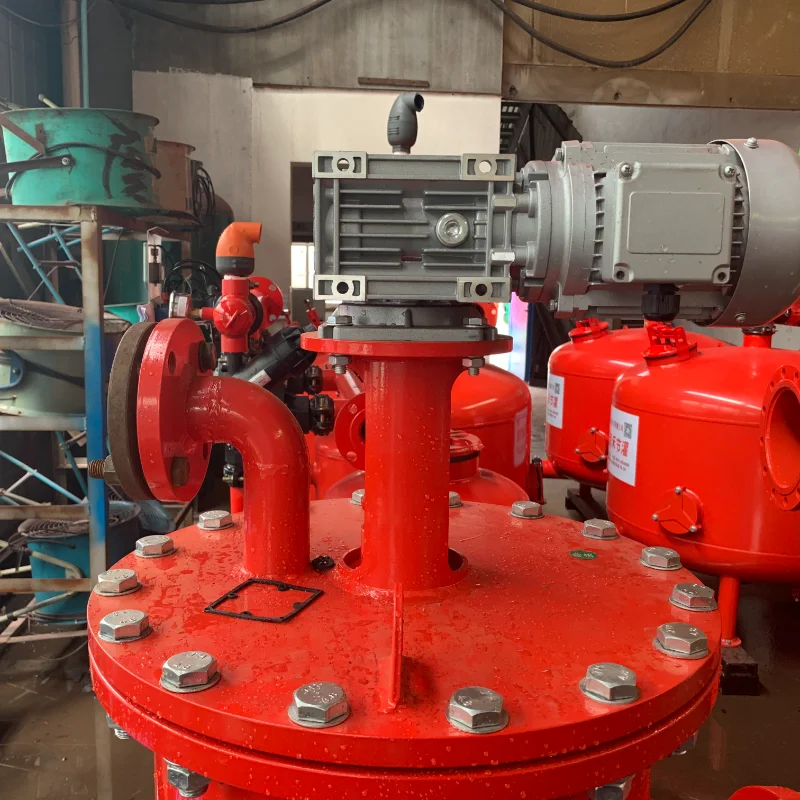
Scaling acts as an insulator, reducing heat transfer efficiency and forcing machinery to work harder, which prematurely wears out components. By integrating robust industrial water filters at the intake stage, plants can remove particulate matter and prevent sediment build-up. For facilities relying on thermal processes, utilizing commercial boiler feed water purification is essential. By removing calcium and magnesium ions before they enter the boiler, plants eliminate scale formation, thereby extending the lifespan of multimillion-dollar equipment and drastically reducing the frequency of unplanned maintenance shutdowns.
Energy Efficiency and Operational Savings
Energy consumption is one of the largest variable costs in any manufacturing plant. The correlation between water purity and energy efficiency is staggering. A mere 1/8 inch of scale buildup in a heat exchanger can increase energy consumption by up to 25%. This translates to thousands of dollars wasted annually simply to push heat through a barrier of mineral deposits.
By utilizing high-performance separation technologies, such as high-capacity reverse osmosis for manufacturing, facilities can maintain pristine heat transfer surfaces. This means cooling towers, chillers, and boilers require significantly less electricity or natural gas to achieve the same temperature outputs. Companies like FILIT have demonstrated that upgrading a plant’s water infrastructure directly correlates with a noticeable drop in monthly utility bills. When pumps don’t have to fight against clogged pipes and heat exchangers operate at peak thermodynamic efficiency, the energy savings alone can often justify the capital expenditure of the upgrade.
Waste Reduction and Environmental Compliance
Discharging contaminated wastewater is becoming increasingly expensive due to strict municipal regulations, environmental tariffs, and hefty fines for non-compliance. Instead of treating water as a single-use commodity, modern plants are shifting towards closed-loop systems.
Implementing wastewater recovery and reuse processes allows a facility to treat and recycle its effluent back into the production cycle. This dual-action approach drastically lowers the volume of municipal water purchased while simultaneously reducing discharge volumes. Advanced filtration solutions enable manufacturers to extract valuable byproducts from waste streams or simply purify the water enough for non-potable plant uses like floor washing or cooling tower makeup. Staying ahead of environmental regulations not only prevents crippling fines but also enhances corporate social responsibility (CSR) profiles, which is increasingly important to modern consumers and investors.
Cost Comparison: Untreated vs. Treated Water Infrastructure
To illustrate the financial impact, the following table breaks down the typical cost differences experienced by a mid-sized manufacturing plant over a 5-year period when comparing untreated water usage versus a fully optimized treatment infrastructure.
| Operational Factor | Without Proper Water Treatment | With Advanced Water Treatment | Cost Impact / Savings |
| Equipment Lifespan | Frequent replacements due to corrosion (3-5 years) | Extended lifespan due to scale prevention (10-15+ years) | High Savings on capital expenditure |
| Energy Consumption | High (Scale acts as an insulator, wasting heat) | Optimized (Clean surfaces transfer heat efficiently) | 15% – 30% reduction in utility bills |
| Maintenance Costs | High (Frequent descaling, emergency pipe repairs) | Low (Predictable, scheduled preventative maintenance) | Up to 40% reduction in labor & parts |
| Water Utility Bills | High (Single-pass usage, massive intake needed) | Low (High recycling rate, low municipal intake) | Significant drop in volume purchased |
| Compliance Fines | High risk of regulatory penalties | Minimal risk, consistently meets discharge limits | Zero fines, protected brand reputation |
Specific Industry Applications and Tailored Technologies
Different manufacturing sectors face unique water challenges, meaning a one-size-fits-all approach is rarely effective. The financial benefits of water management are realized when the technology is matched precisely to the application.
- Semiconductor & Electronics: The production of microchips requires water of the absolute highest purity. Even trace amounts of ions can ruin a batch of semiconductors. Implementing pure water generation for semiconductor fabrication prevents catastrophic product loss and maintains incredibly high yield rates, directly safeguarding revenue.
- Automotive & Heavy Machinery: Car manufacturing plants use vast amounts of water for paint lines, metal finishing, and parts washing. Deploying heavy-duty liquid filtration for automotive plants ensures that paint adheres correctly without blemishes and that metal shavings are efficiently removed from cooling lubricants, reducing scrap rates. FILIT systems are frequently adapted to handle these challenging, high-volume industrial environments.
- Food and Beverage: Here, water is both a utility and a key ingredient. Ensuring microbial safety and consistent taste requires exact precision. Utilizing customized fluid separation technology guarantees product safety, prevents costly recalls, and ensures that the final product meets exact brand standards every single batch.
Calculating the Return on Investment
When facility managers look at the upfront cost of modern industrial water treatment systems, they must weigh it against the Total Cost of Ownership (TCO) of their current operations. The ROI is usually achieved through a combination of lowered energy bills, reduced chemical usage, minimized downtime, and lower municipal water costs.
In many cases, investing in cost-effective industrial effluent management pays for itself within 18 to 24 months. After the break-even point, the operational savings directly boost the company’s profit margins year after year.
Conclusion
Ignoring water quality is a costly mistake that modern manufacturers cannot afford. By proactively upgrading your infrastructure, you protect your equipment, lower your utility bills, and ensure regulatory compliance. Partnering with a reliable expert like FILIT can help you design a customized strategy that transforms your water from a constant liability into a sustainable, cost-saving asset.
Frequently Asked Questions (FAQ)
1. How long does it typically take to see a Return on Investment (ROI) after installation?
While it varies depending on the size of the facility and the local cost of water and energy, most manufacturing plants see a full ROI within 18 to 24 months. The immediate savings are usually noticed in the very first month’s energy and water utility bills, followed by long-term savings from reduced maintenance and zero compliance fines.
2. Can existing manufacturing plants be upgraded without halting production?
Yes. Modern industrial water filters and purification skids are often designed modularly. They can be installed in parallel with your existing infrastructure or integrated during scheduled routine maintenance windows, ensuring that your core manufacturing processes experience minimal to zero disruptive downtime.
3. Are these systems customizable for different types of chemical or physical contaminants?
Absolutely. There is no universal fix for water contamination. Before installation, experts conduct a thorough water chemistry analysis. Based on whether you need to remove dissolved heavy metals, organic compounds, or suspended solids, engineers will design specific filtration solutions (such as combining reverse osmosis, ultrafiltration, and UV sterilization) tailored exactly to your plant’s unique requirements.