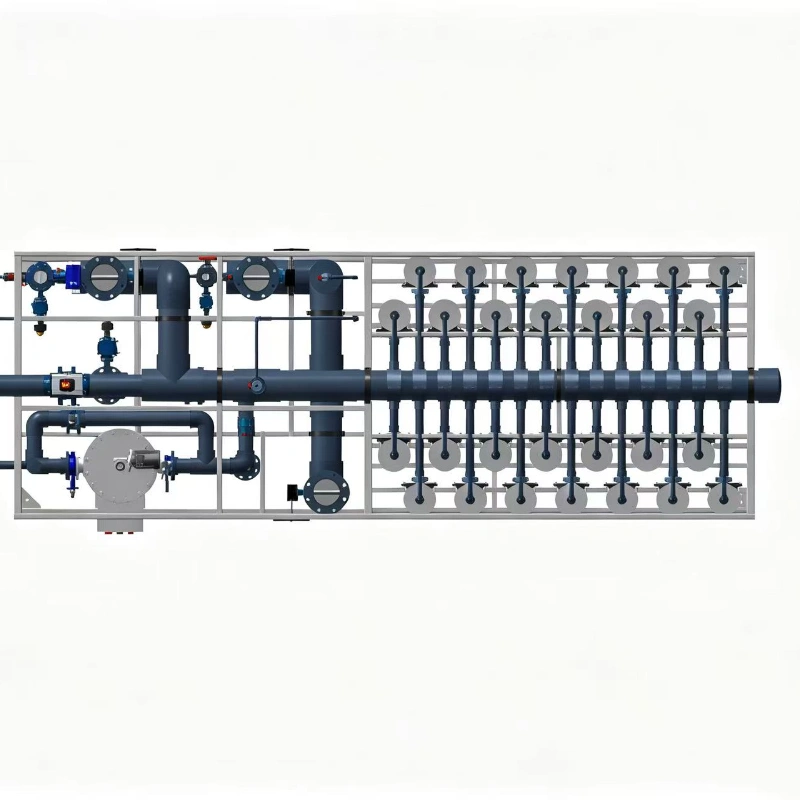
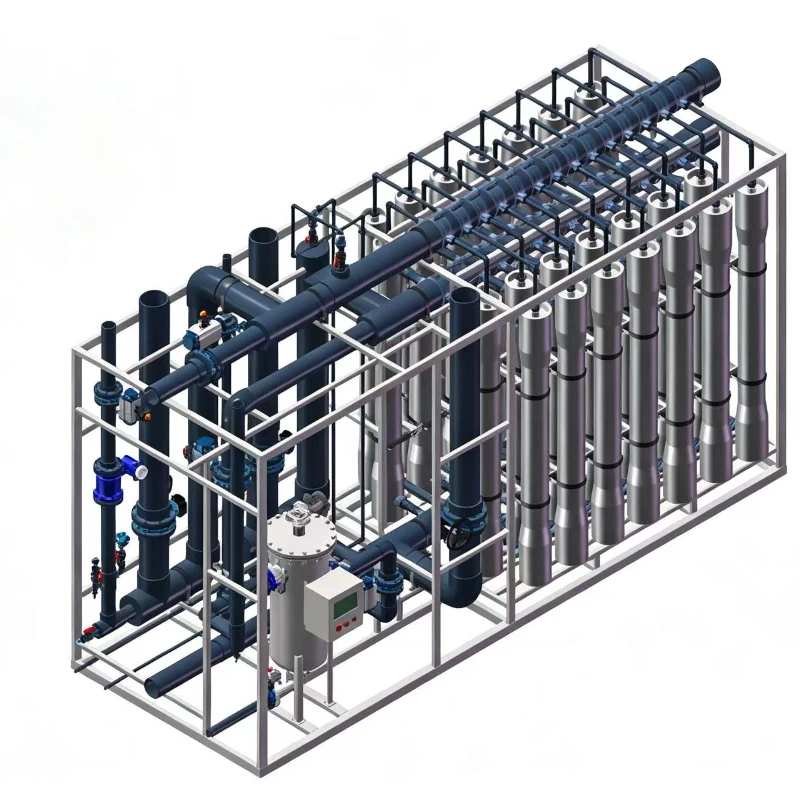
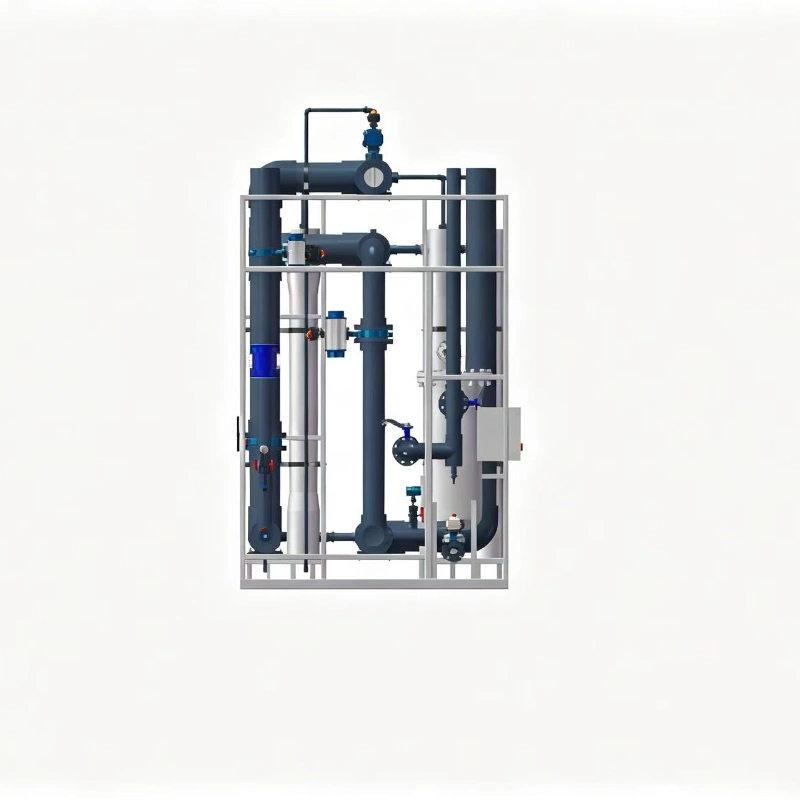
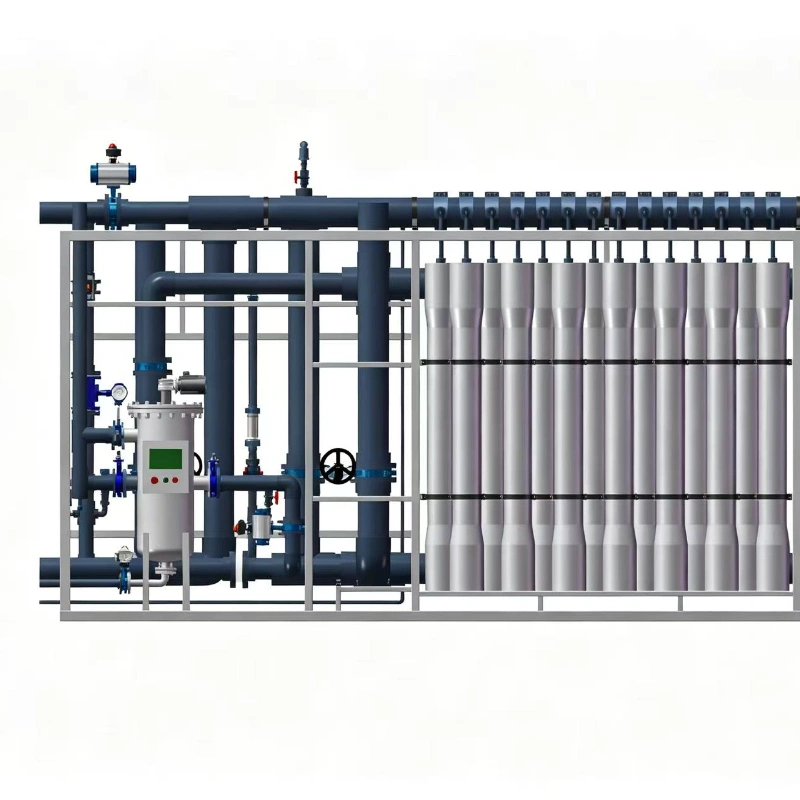
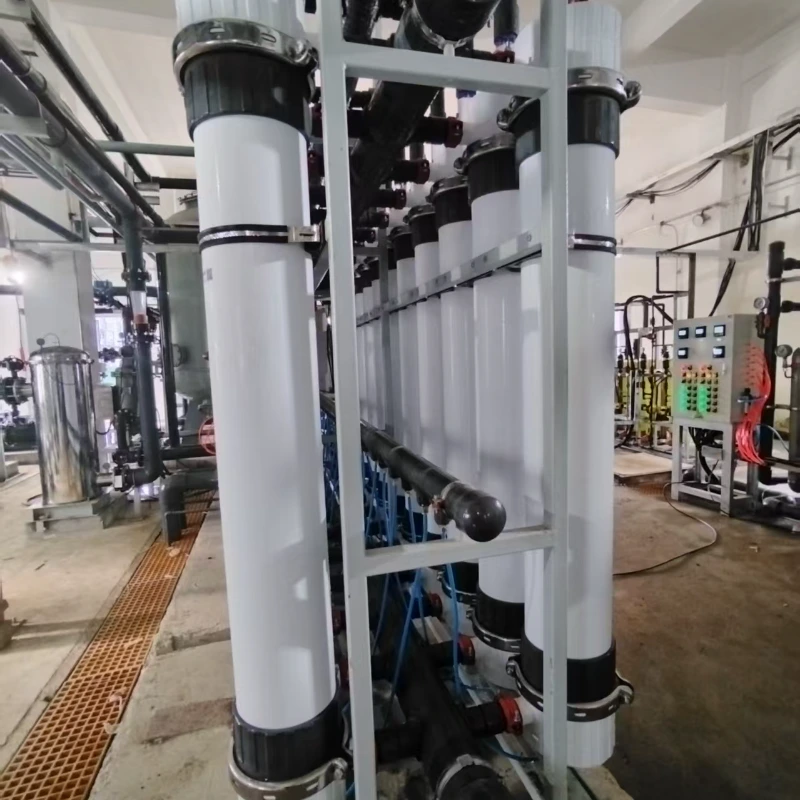
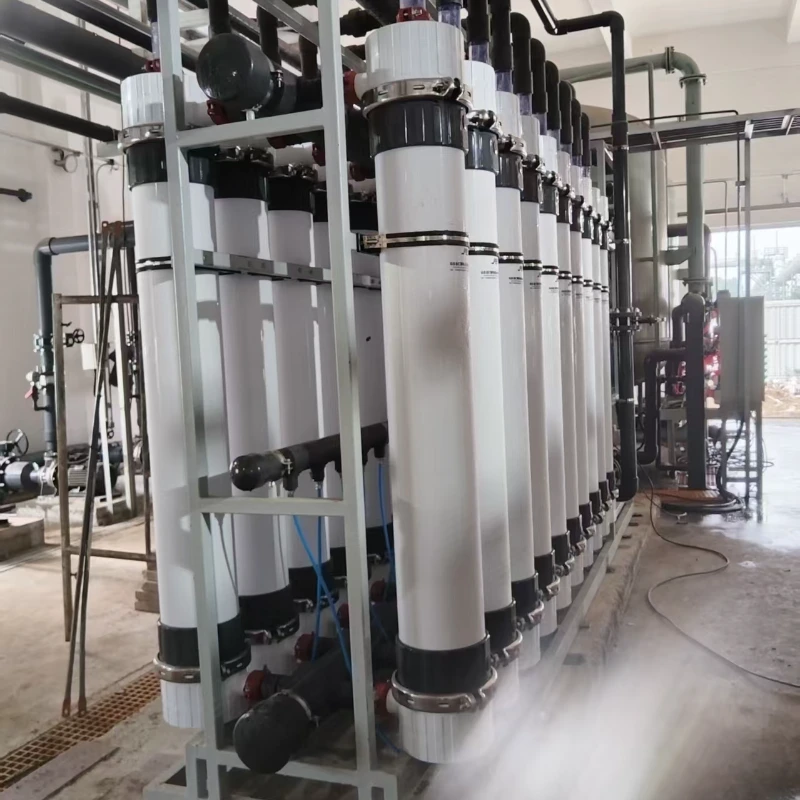
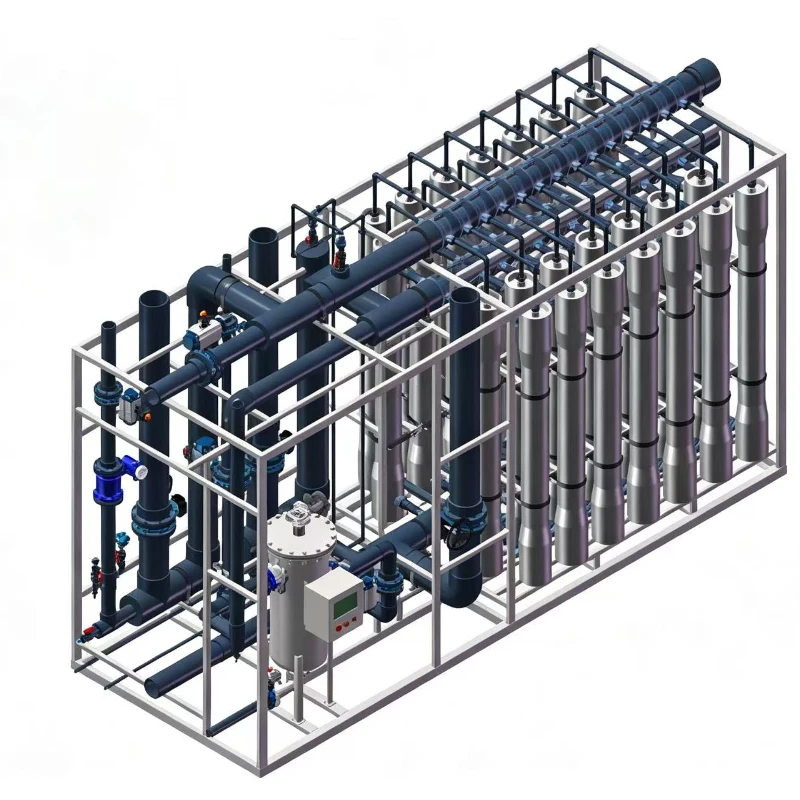
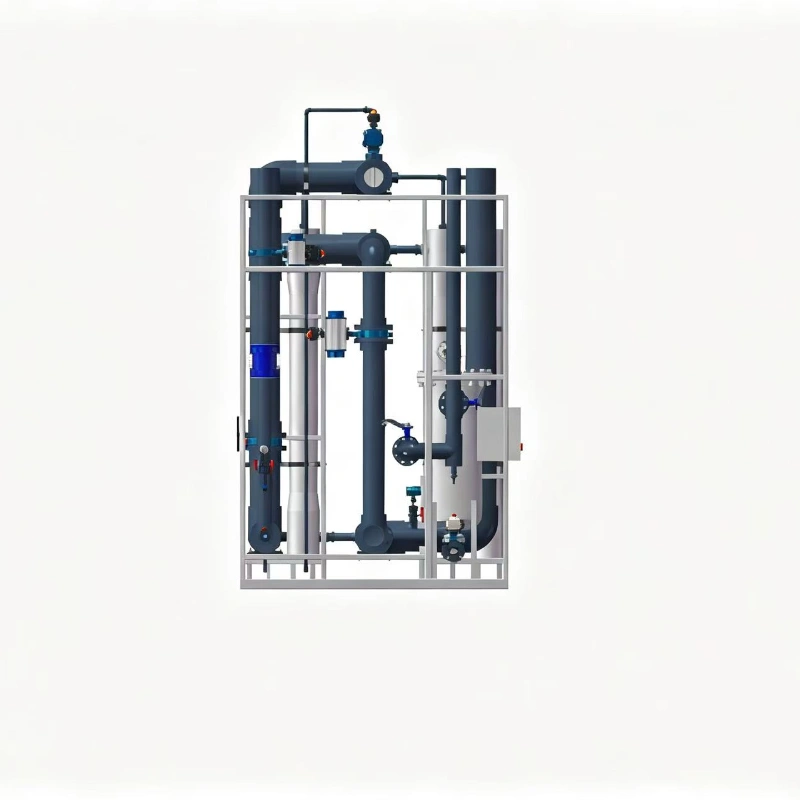
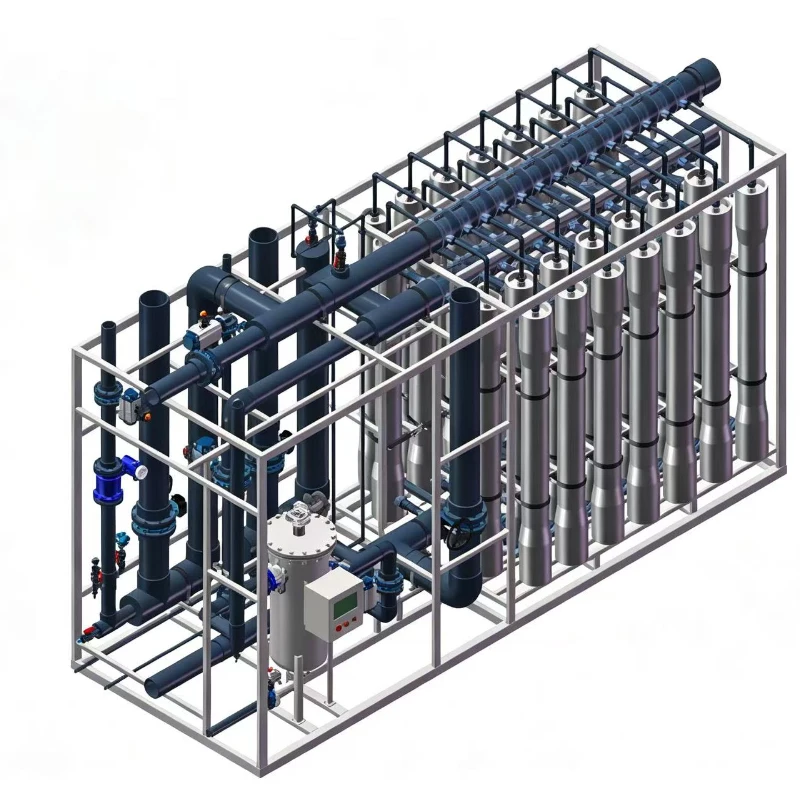
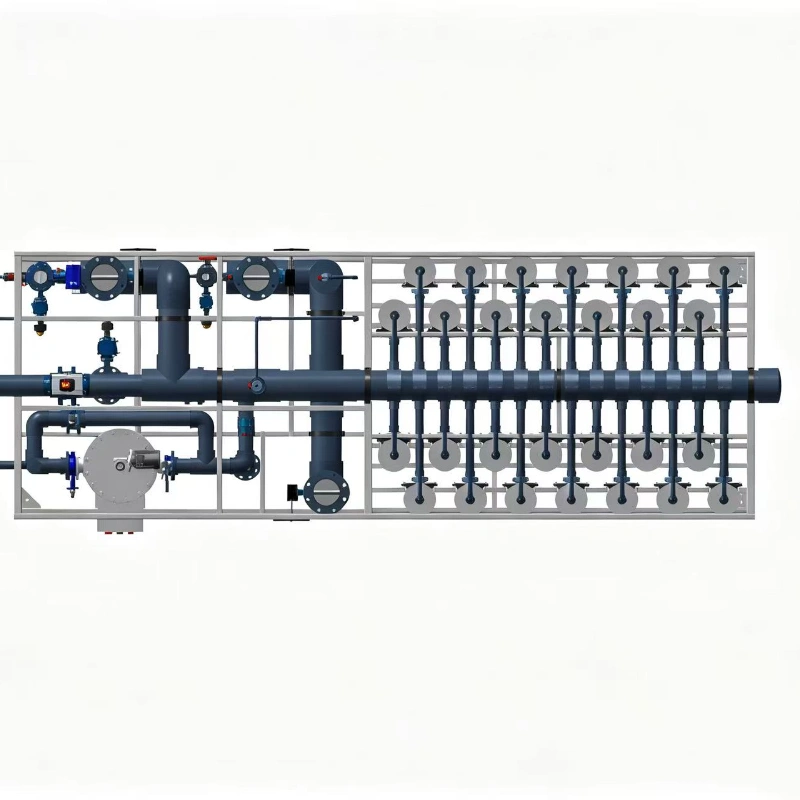
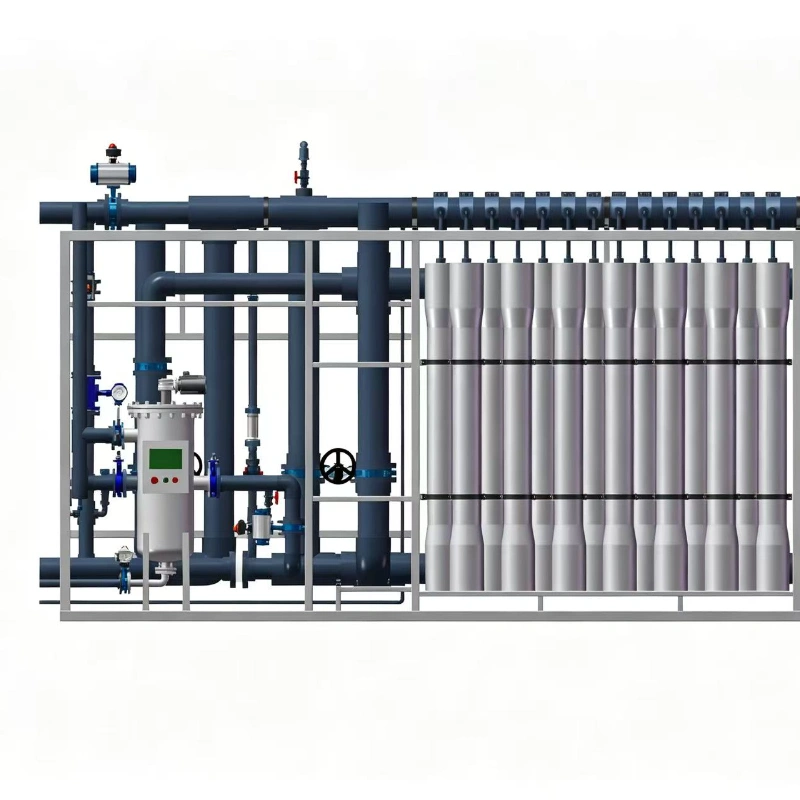
The Automatic Ultrafiltration System combines advanced membrane separation with intelligent automatic control to deliver continuous high-quality filtration. It is widely used for industrial water treatment, municipal water purification, and wastewater reuse applications.
The Automatic Ultrafiltration Water Treatment System is designed to provide continuous, high-efficiency water purification for industrial and municipal applications. By utilizing advanced hollow fiber membrane technology, the system effectively separates suspended solids, bacteria, viruses, colloids, and other fine contaminants while maintaining stable water production.
Compared with conventional filtration technologies, ultrafiltration offers higher removal efficiency, lower chemical consumption, and more consistent water quality. Combined with automatic cleaning functions and intelligent control, the system ensures reliable long-term operation with minimal maintenance.
The UF system can operate independently or as an integrated pretreatment process for reverse osmosis, EDI, and ultrapure water systems. Its modular skid-mounted design allows flexible installation and future expansion according to project requirements.
Features of Ultrafiltration (UF)
High Removal Efficiency
UF membranes provide excellent removal of suspended solids, microorganisms, bacteria, viruses, and colloidal particles while maintaining stable permeate quality.
Automatic Cleaning Process
Automatic backwash, air scouring, and chemical cleaning functions help maintain membrane performance and reduce manual maintenance.
Stable Water Production
Advanced membrane technology ensures consistent filtration performance under varying feed water conditions.
Energy-efficient Operation
Low operating pressure and optimized hydraulic design reduce energy consumption while maintaining high water recovery
Working Principle
Raw water first passes through the pretreatment process to remove large suspended particles before entering the ultrafiltration membrane modules.
Inside the membrane modules, water flows through thousands of hollow fiber membranes. Under operating pressure, clean water permeates through the membrane pores while suspended solids, bacteria, viruses, colloids, and other contaminants remain on the membrane surface.
Installation & Maintenance
The ultrafiltration system should be installed on a level foundation with sufficient space for membrane replacement and maintenance.
Proper pretreatment is recommended to reduce membrane fouling and extend membrane life. Operators should routinely monitor transmembrane pressure (TMP), permeate flow rate, and water quality to evaluate system performance.
Automatic backwashing should be performed according to programmed operating cycles. Periodic chemical cleaning is recommended based on feed water quality and operating conditions to restore membrane permeability.
Routine inspection of pumps, valves, instruments, and control systems helps ensure long-term reliable operation.
FAQs
What is a Reverse Osmosis (RO) water treatment system?
A Reverse Osmosis (RO) system is a membrane-based water purification technology that removes dissolved salts, heavy metals, bacteria, viruses, and other impurities by applying pressure through semi-permeable membranes. It produces high-quality purified water for industrial and municipal applications.
What contaminants can an RO system remove?
An industrial RO system can effectively remove:
Dissolved salts (TDS)
Heavy metals
Bacteria and viruses
Organic matter
Nitrates and sulfates
Silica (partially)
Suspended solids (with proper pretreatment)
Typical salt rejection is 95%–99%, depending on membrane type and feed water quality.
What pretreatment is required before an RO system?
Pretreatment protects RO membranes and extends their service life. Typical pretreatment includes:
Multimedia Filter
Activated Carbon Filter
Water Softener (if hardness is high)
Cartridge Filter
Ultrafiltration (UF) (optional for challenging water sources)
The pretreatment process is selected based on the feed water quality.
What industries use RO water treatment systems?
RO systems are widely used in:
Power plants
Food & beverage
Pharmaceutical manufacturing
Electronics & semiconductor production
Chemical processing
Boiler feed water treatment
Seawater desalination
Wastewater recycling and reuse